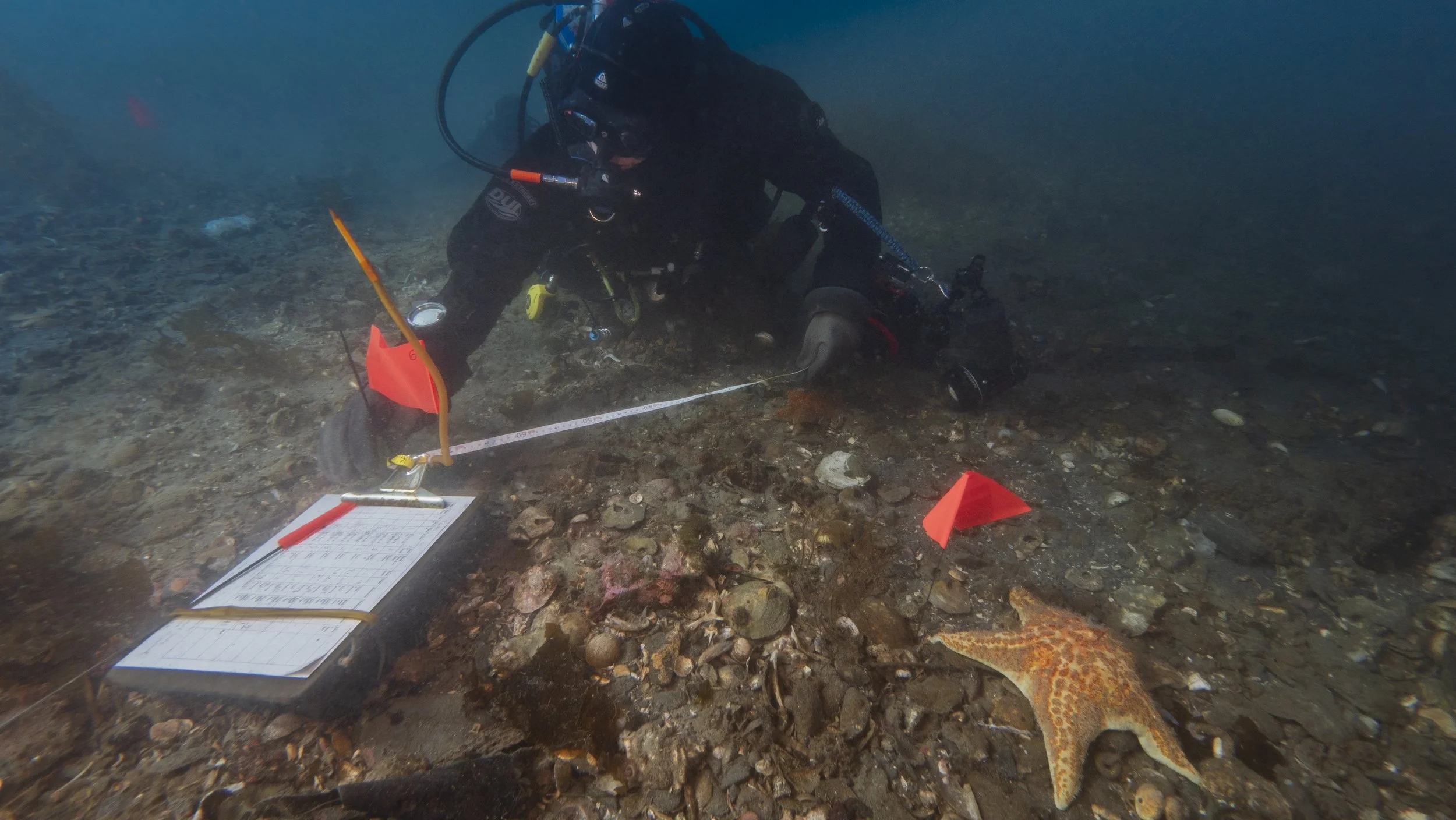
Researching Uncharted Waters
In-situ observation—documenting species abundance, behavior, and shifts in community dynamics—provides the empirical baseline necessary for real-time conservation and policy decisions
Understanding Invisible Stressors
Intertidal zones, coral reefs, and polar ice shelves serve as early warning systems for global climate change. Using temperature, salinity, plankton community and eDNA analysis helps give us a clearer picture of shifting ecosystem health.
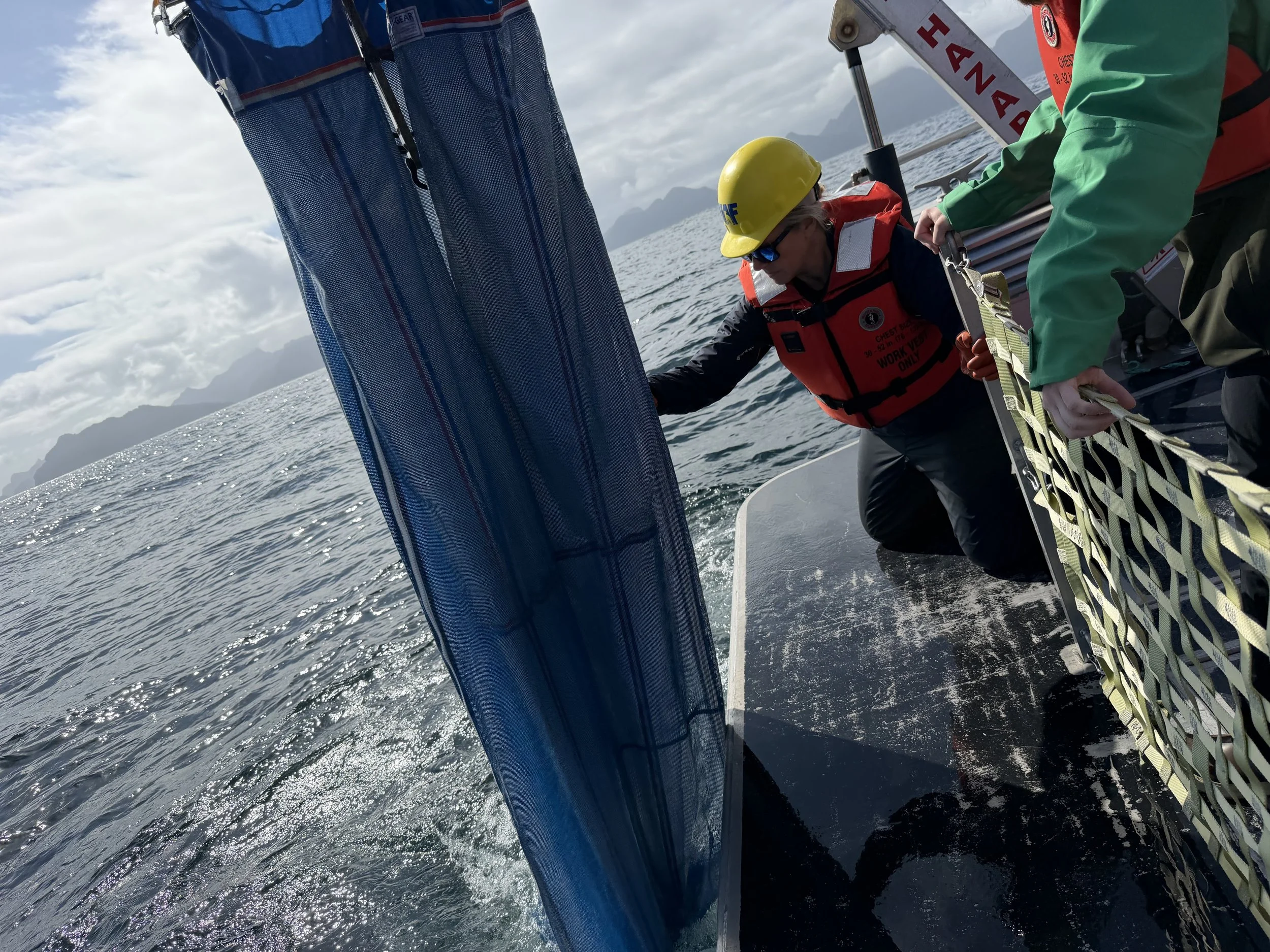
Investigating Coastal Health
Nearshore habitats reveal how land-based activities, subterranean freshwater discharge, and warming seas interact. We cannot protect or manage ecosystems if we don’t measure how they function under stress.
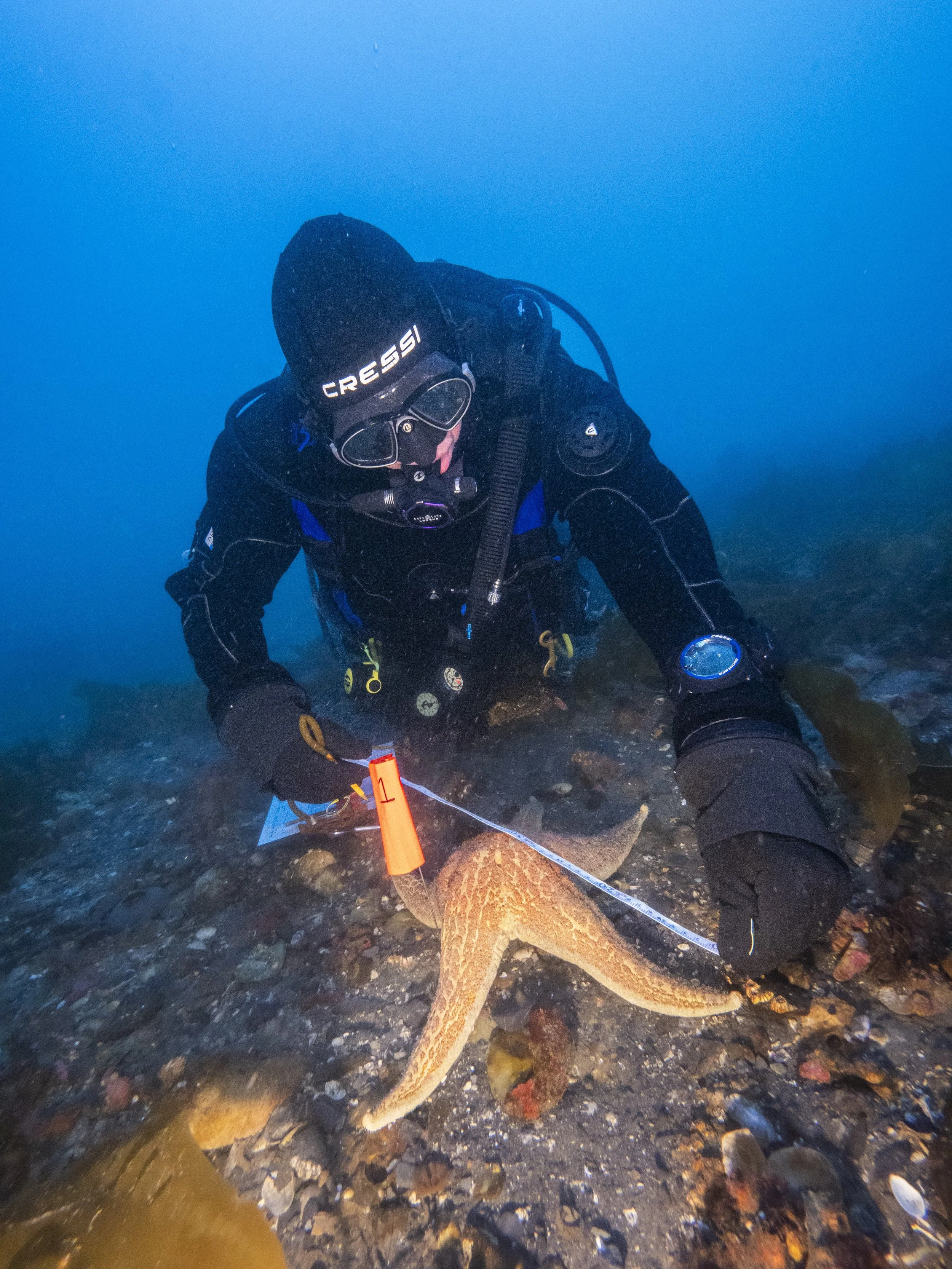
Current Research Focus
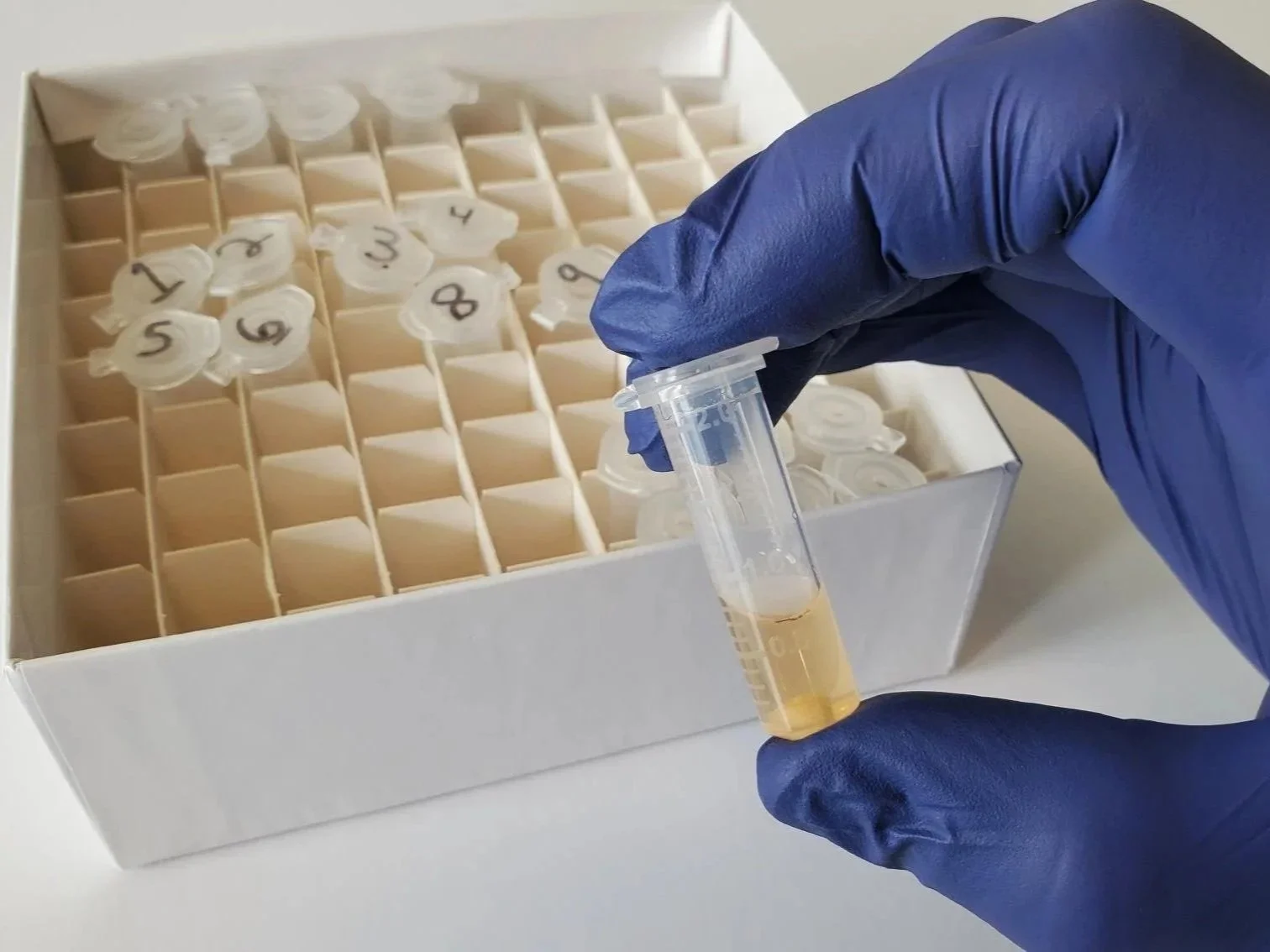
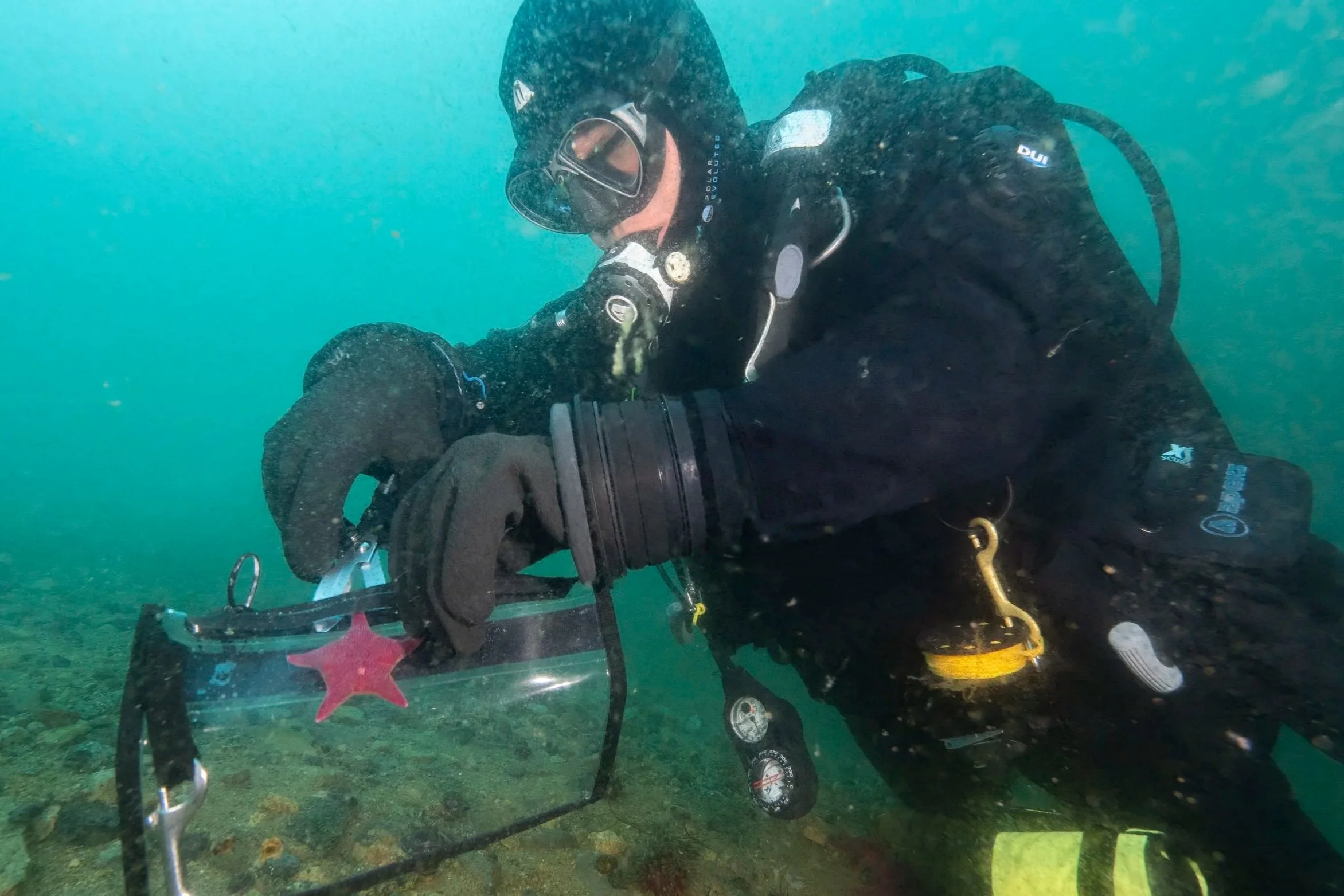
We are researching a potential Sea Star Wasting Disease (SSWD) outbreak on the Western Antarctic Peninsula through uniting exploratory diving with photo ID tracking, tissue sampling, and eDNA. Beginning in 2013, the West Coast of the USA experienced a devastating outbreak of SSWD leading to the die-off of over five billion sea stars over 13 years which led to negative impacts felt throughout the ecosystem. Using unique access to the Southern Ocean combined with leading edge technology, we are monitoring the nearshore system in one of the fastest changing marine ecosystems on the planet.
Upcoming Research
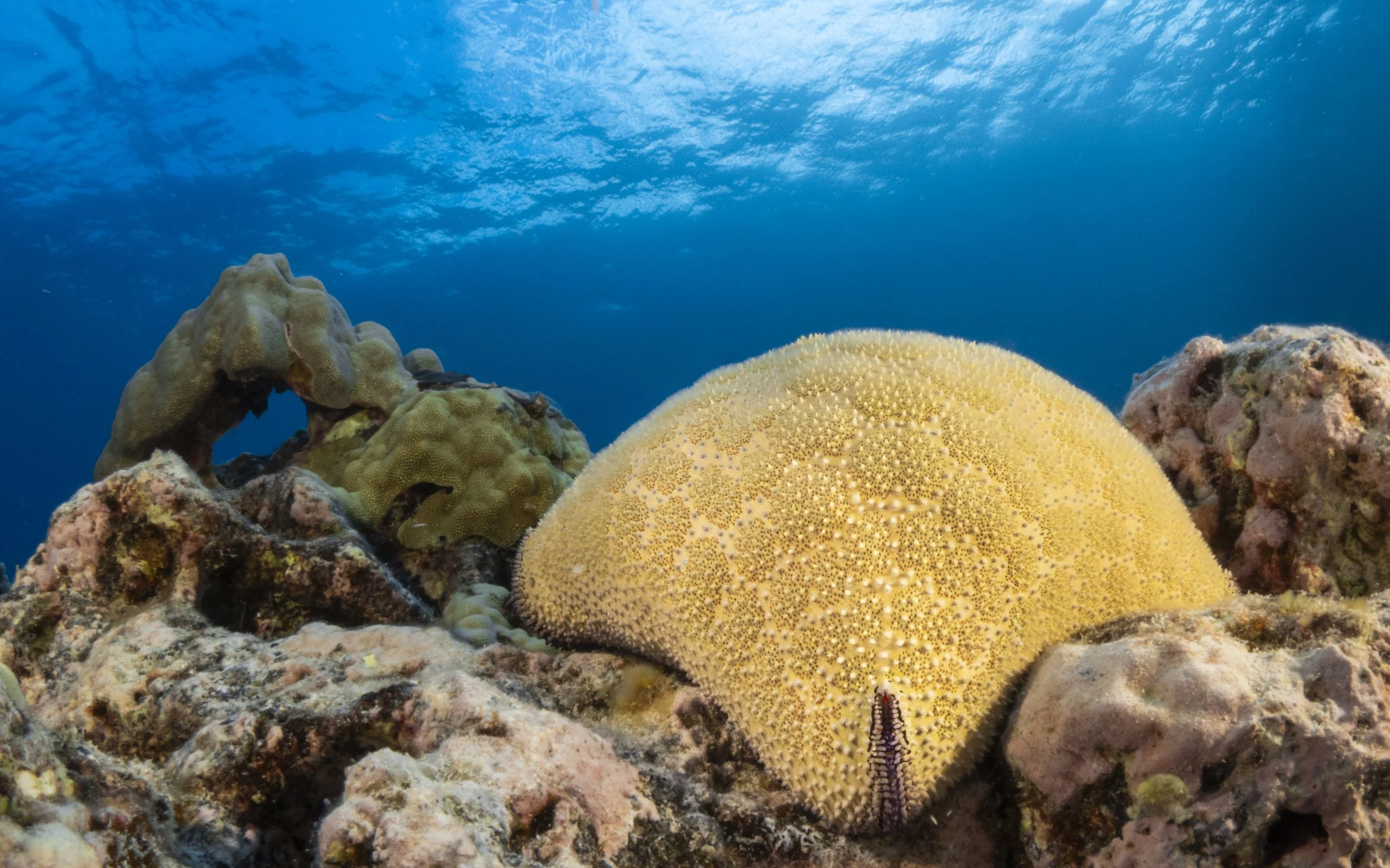
We are conducting ongoing research in Hawaii looking at the drivers of movement on the pillow cushion star (Culcita novaeguineae). This important sea star helps regulate the health of coral reefs with an often overlooked ecological role.